Design
Product
Insights
Process
Stig Melón-Bratvold
Designer

Greg Lusk
Daglig leder
22. august 2024
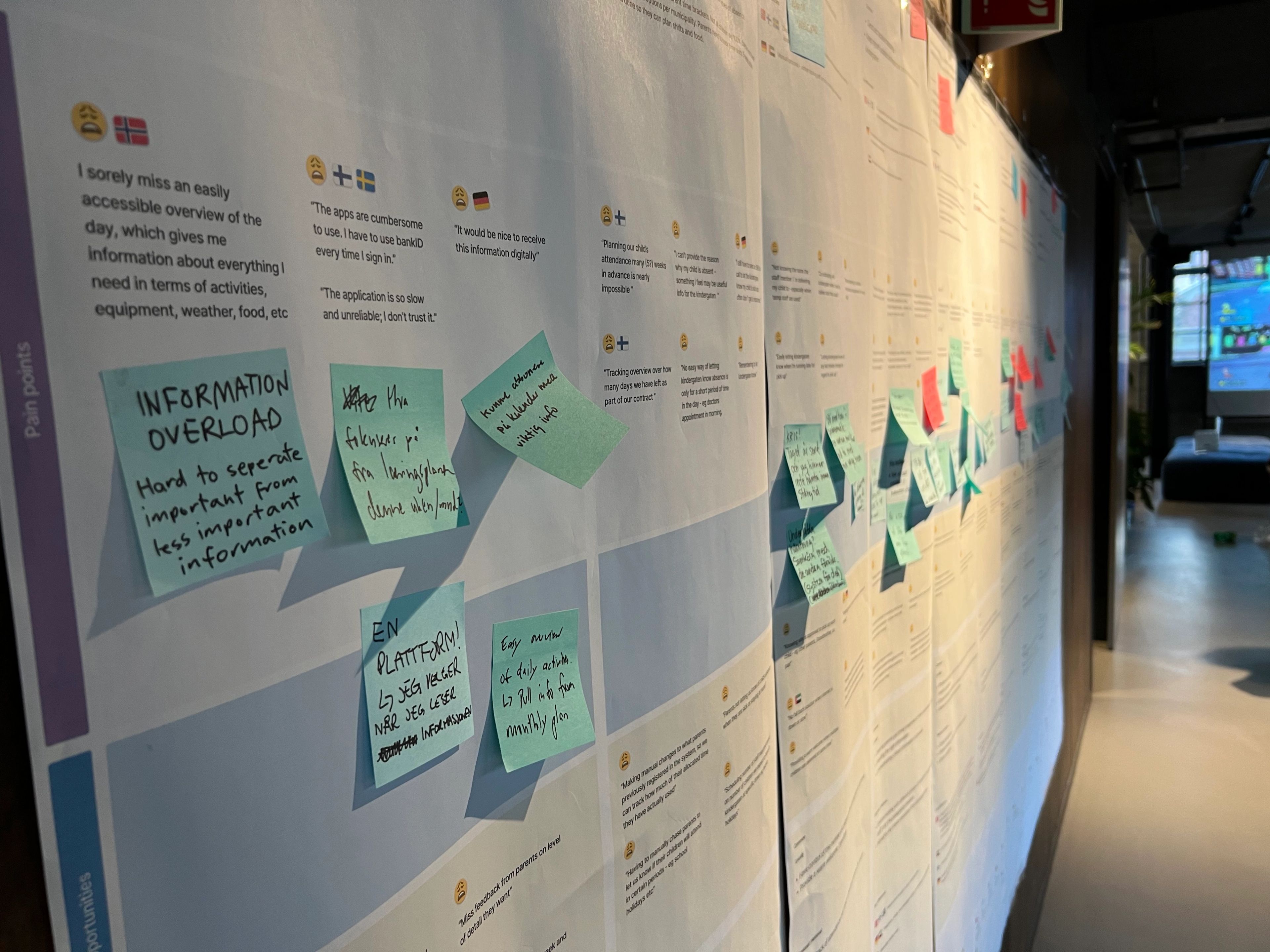
A 10 meter long human sized customer journey map was put on the wall in our offices
Honestly, it was overwhelming. With so many countries, cultures, and ways of working, there was no obvious first step. The challenge wasn’t just what to do, but where to even begin.
We opened with a question Greg asked early in the process:
“Where can we alleviate the most pain for the most people?”
That question kicked off a journey across time zones, languages, and cultures. This article is the story of how, through interviews, journey mapping, personas, blueprinting, and storytelling, we created clarity, brought people onto the same page, and laid the groundwork for better product decisions.
We opened with a question Greg asked early in the process:
“Where can we alleviate the most pain for the most people?”
That question kicked off a journey across time zones, languages, and cultures. This article is the story of how, through interviews, journey mapping, personas, blueprinting, and storytelling, we created clarity, brought people onto the same page, and laid the groundwork for better product decisions.
“
Where can we alleviate the most pain for the most people?
Greg Lusk
Finding Our Starting Point
With nine countries in the mix, we knew we couldn’t rely too much on assumptions. The only way forward was to hear directly from the people living Dibber’s day-to-day—parents, educators, administrators, and support staff.
Over the next three months, we spoke with them all. Some conversations were structured one-on-ones, others casual group calls where side stories and laughter revealed more than our questions. The logistics were a juggling act: late-night calls to catch Asia in the morning, early starts for Europe before the day’s chaos set in.
To stay grounded, we tracked every conversation in Notion—role, location, and key takeaways—so we could spot gaps and make sure no voice was missing. From these insights, we created role-based journey maps in FigJam that captured what life at Dibber looked like from different perspectives.
The contrasts were striking. Parents often had a clear, linear journey—from discovering Dibber to moving on after kindergarten—while staff experiences looped, repeated, and overlapped, shaped by shifting roles and fragmented digital systems.
By layering these into country-level blueprints and eventually a global journey map, we could finally see where experiences aligned, where they broke down, and where change could have the most meaningful impact. What began as scattered notes became a clear starting point in a very complex landscape.
Over the next three months, we spoke with them all. Some conversations were structured one-on-ones, others casual group calls where side stories and laughter revealed more than our questions. The logistics were a juggling act: late-night calls to catch Asia in the morning, early starts for Europe before the day’s chaos set in.
To stay grounded, we tracked every conversation in Notion—role, location, and key takeaways—so we could spot gaps and make sure no voice was missing. From these insights, we created role-based journey maps in FigJam that captured what life at Dibber looked like from different perspectives.
The contrasts were striking. Parents often had a clear, linear journey—from discovering Dibber to moving on after kindergarten—while staff experiences looped, repeated, and overlapped, shaped by shifting roles and fragmented digital systems.
By layering these into country-level blueprints and eventually a global journey map, we could finally see where experiences aligned, where they broke down, and where change could have the most meaningful impact. What began as scattered notes became a clear starting point in a very complex landscape.
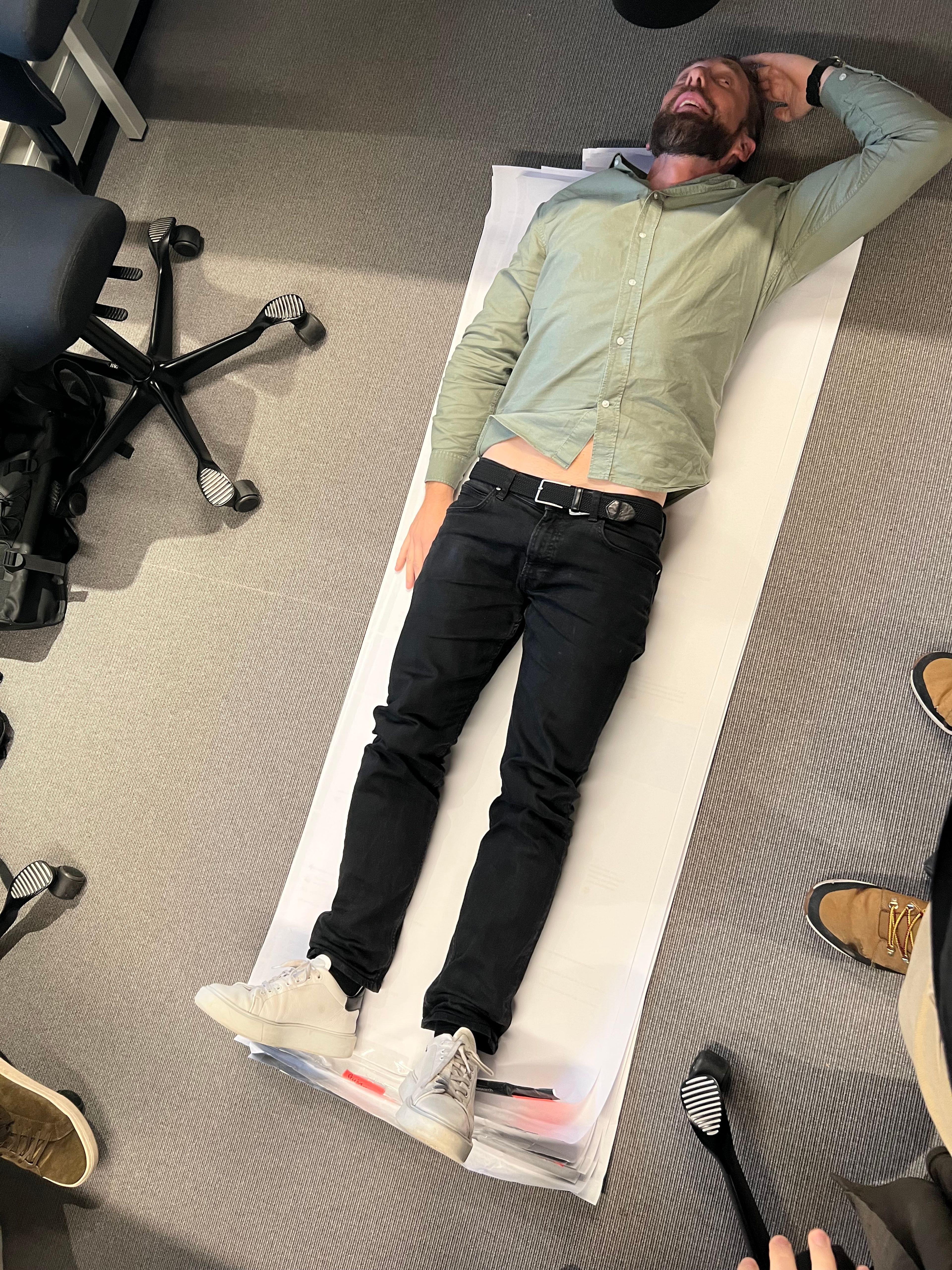
Turns out our customer journey is about 5 cm short of Greg
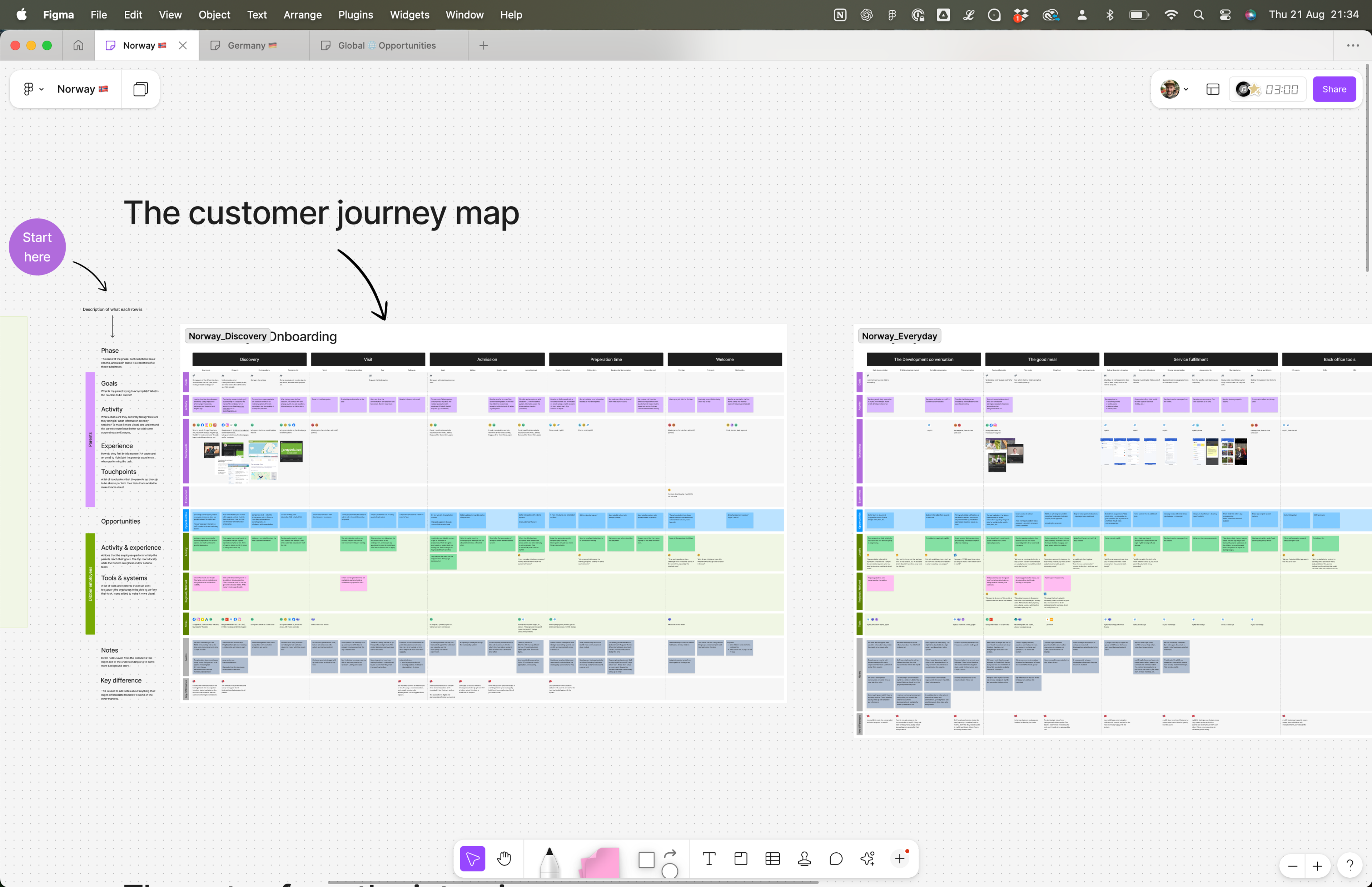
Using FigJam, we first mapped each country’s parent journey—layered with the hidden tools, systems, and routines Dibber relies on
Personas as Living Tools
As the interviews unfolded, familiar patterns began to appear—behaviours, frustrations, and workarounds that weren’t about job titles, but about how people approached technology and communication.
Instead of locking ourselves into predefined personas, we let them emerge naturally from the conversations. A parent who eagerly checked the app every morning felt very different from one who only wanted a quick monthly update. An educator who navigated digital tools with ease had a completely different day from one who avoided them out of frustration.
To make these patterns stick, we turned each persona into a short story: a name, a glimpse into their daily routines, what made their work or parenting easier, and what drove them up the wall. Suddenly, they weren’t “users” in a spreadsheet—they were people you could picture standing next to you in a hallway.
We used their names constantly in workshops and planning sessions: “Would this actually help Jane?” or “How would David react to this?” They became anchors in moments of complexity, helping us challenge assumptions, focus priorities, and keep decisions grounded in the reality of the people we were designing for.
Instead of locking ourselves into predefined personas, we let them emerge naturally from the conversations. A parent who eagerly checked the app every morning felt very different from one who only wanted a quick monthly update. An educator who navigated digital tools with ease had a completely different day from one who avoided them out of frustration.
To make these patterns stick, we turned each persona into a short story: a name, a glimpse into their daily routines, what made their work or parenting easier, and what drove them up the wall. Suddenly, they weren’t “users” in a spreadsheet—they were people you could picture standing next to you in a hallway.
We used their names constantly in workshops and planning sessions: “Would this actually help Jane?” or “How would David react to this?” They became anchors in moments of complexity, helping us challenge assumptions, focus priorities, and keep decisions grounded in the reality of the people we were designing for.
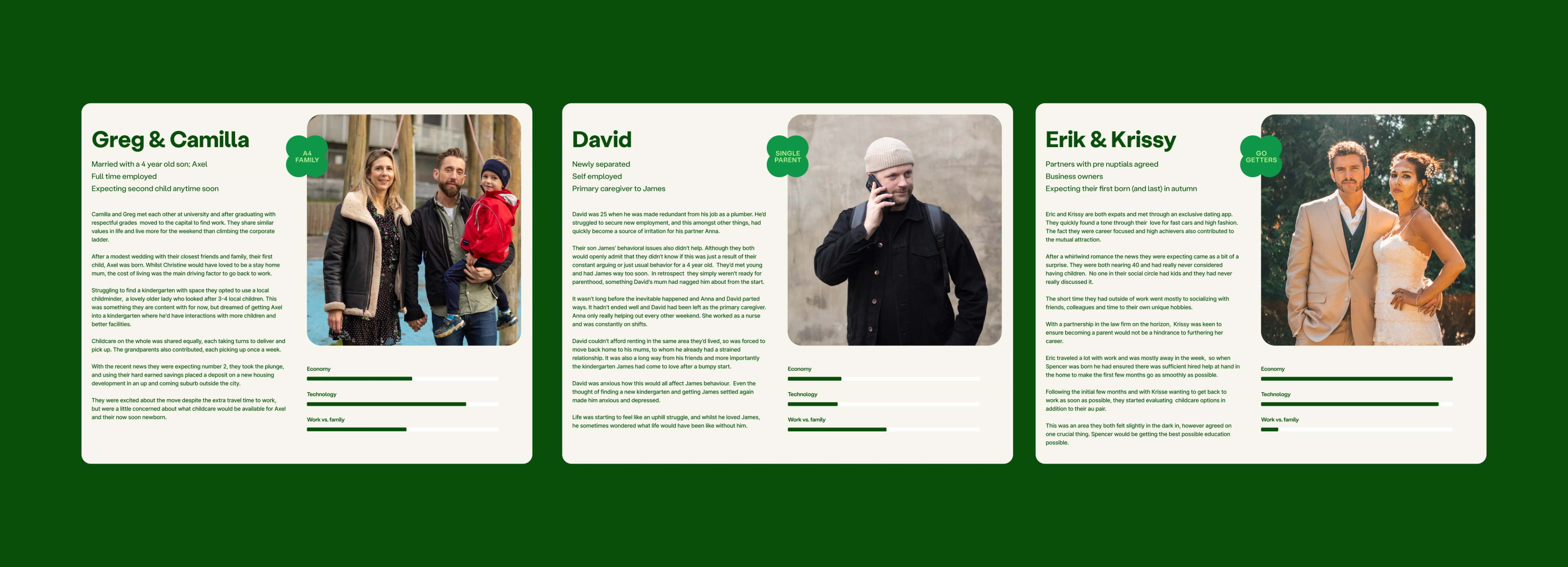
By visualising insights as personas, we turned data into something memorable—stories the team could reference in workshops and decision-making.
Telling the Story of a Better Experience
Once we understood Dibber’s current reality, we shifted to imagining what a dramatically better one could look like—before locking into any features or timelines.
Using a Future State approach, we wrote a story that followed a family’s journey from the first thought of kindergarten—even as early as pregnancy—through choosing Dibber, starting the first day, navigating daily routines, and finally transitioning to primary school.
It was fictional, but built entirely from the voices we’d heard—parents’ hopes and worries, staff’s daily challenges, and the subtle frictions that shape both sides of the experience. While the parents’ perspective carried the main thread, we often stepped backstage to show the educators, administrators, and support teams making each moment possible. Our earlier personas slipped naturally into the story, giving every scene a distinct human voice.
This wasn’t a list of features. It was a vision story—clear, vivid, and free from technical constraints at this stage. It painted a picture of what “good” could look like, sparking alignment and bigger questions: What would it take to make this real? Where should we start?
Using a Future State approach, we wrote a story that followed a family’s journey from the first thought of kindergarten—even as early as pregnancy—through choosing Dibber, starting the first day, navigating daily routines, and finally transitioning to primary school.
It was fictional, but built entirely from the voices we’d heard—parents’ hopes and worries, staff’s daily challenges, and the subtle frictions that shape both sides of the experience. While the parents’ perspective carried the main thread, we often stepped backstage to show the educators, administrators, and support teams making each moment possible. Our earlier personas slipped naturally into the story, giving every scene a distinct human voice.
This wasn’t a list of features. It was a vision story—clear, vivid, and free from technical constraints at this stage. It painted a picture of what “good” could look like, sparking alignment and bigger questions: What would it take to make this real? Where should we start?
“
It was fictional, but built entirely from the voices we’d heard
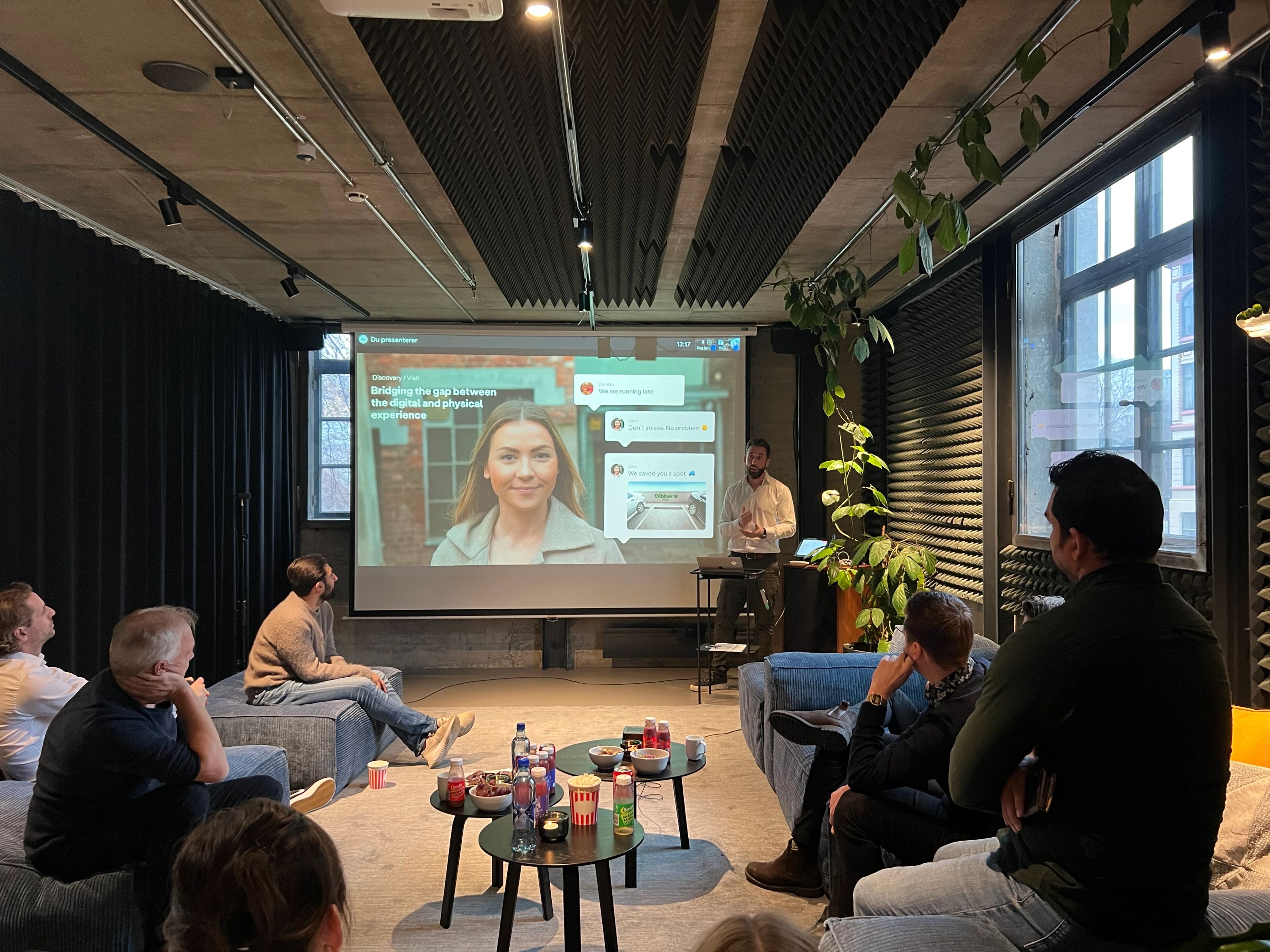
Bringing the future to life—so everyone could see what ‘good’ might look like
From Vision to First Steps
Even though the MVP would launch in just one country, we wanted to tackle pain points that mattered across all markets. To do that, we workshopped the opportunity space, mapping hypotheses around shared challenges and sketching quick concept designs to explore different directions. These rough visuals made abstract needs tangible and sparked stronger engagement from stakeholders.
From this process, two strong MVP candidates emerged. Choosing wasn’t easy, but after weighing feasibility, user value, and organisational readiness, we aligned on one concept and one country to sandbox the launch. Germany offered the right mix of engaged local teams, existing processes, and space to learn quickly.
The workshops did more than prioritise—they brought product, tech, operations, and design into the same room, surfacing both energy and constraints early. In parallel, our sister company Bold was rolling out Dibber’s new brand. We worked closely to adapt its vibrant, flexible design toolbox into digital form—so the product felt pragmatic, but true to the brand’s spirit.
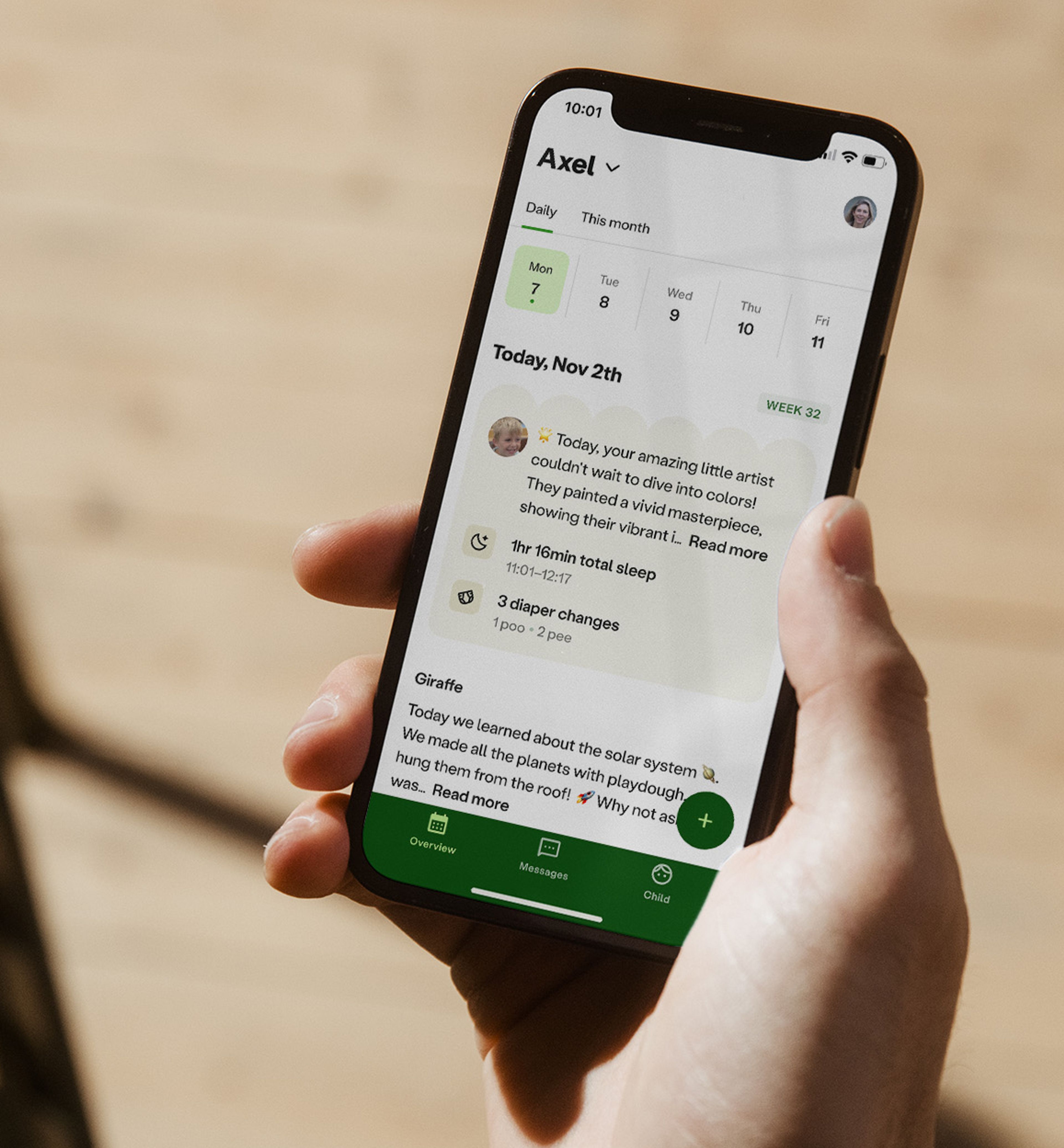
Within weeks, the first MVP was live in selected kindergartens in Germany. It wasn’t perfect, and it wasn’t meant to be. But it was real—used, tested, and shaped by people from day one.
From this process, two strong MVP candidates emerged. Choosing wasn’t easy, but after weighing feasibility, user value, and organisational readiness, we aligned on one concept and one country to sandbox the launch. Germany offered the right mix of engaged local teams, existing processes, and space to learn quickly.
The workshops did more than prioritise—they brought product, tech, operations, and design into the same room, surfacing both energy and constraints early. In parallel, our sister company Bold was rolling out Dibber’s new brand. We worked closely to adapt its vibrant, flexible design toolbox into digital form—so the product felt pragmatic, but true to the brand’s spirit.
Within weeks, the first MVP was live in selected kindergartens in Germany. It wasn’t perfect, and it wasn’t meant to be. But it was real—used, tested, and shaped by people from day one.
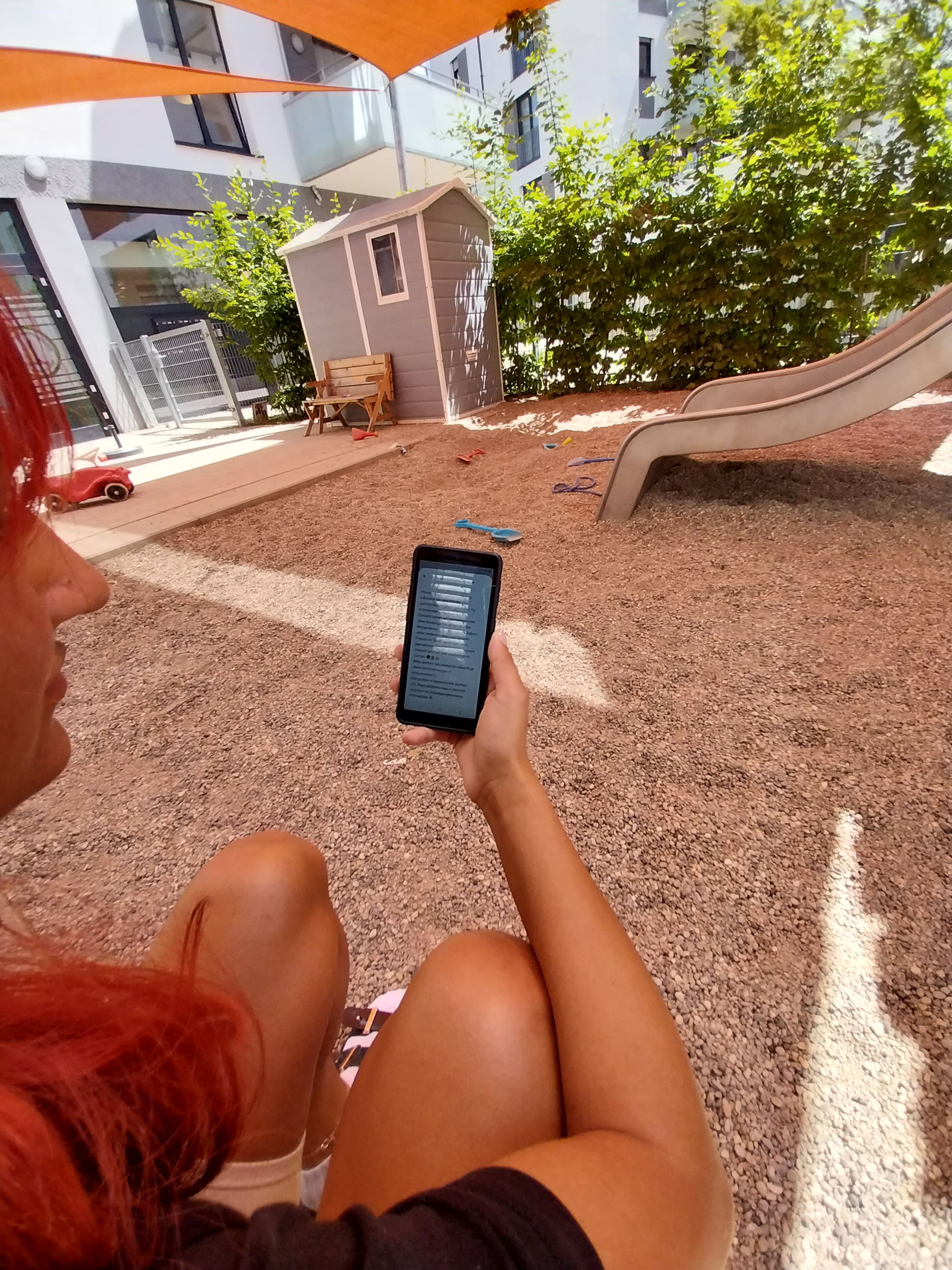
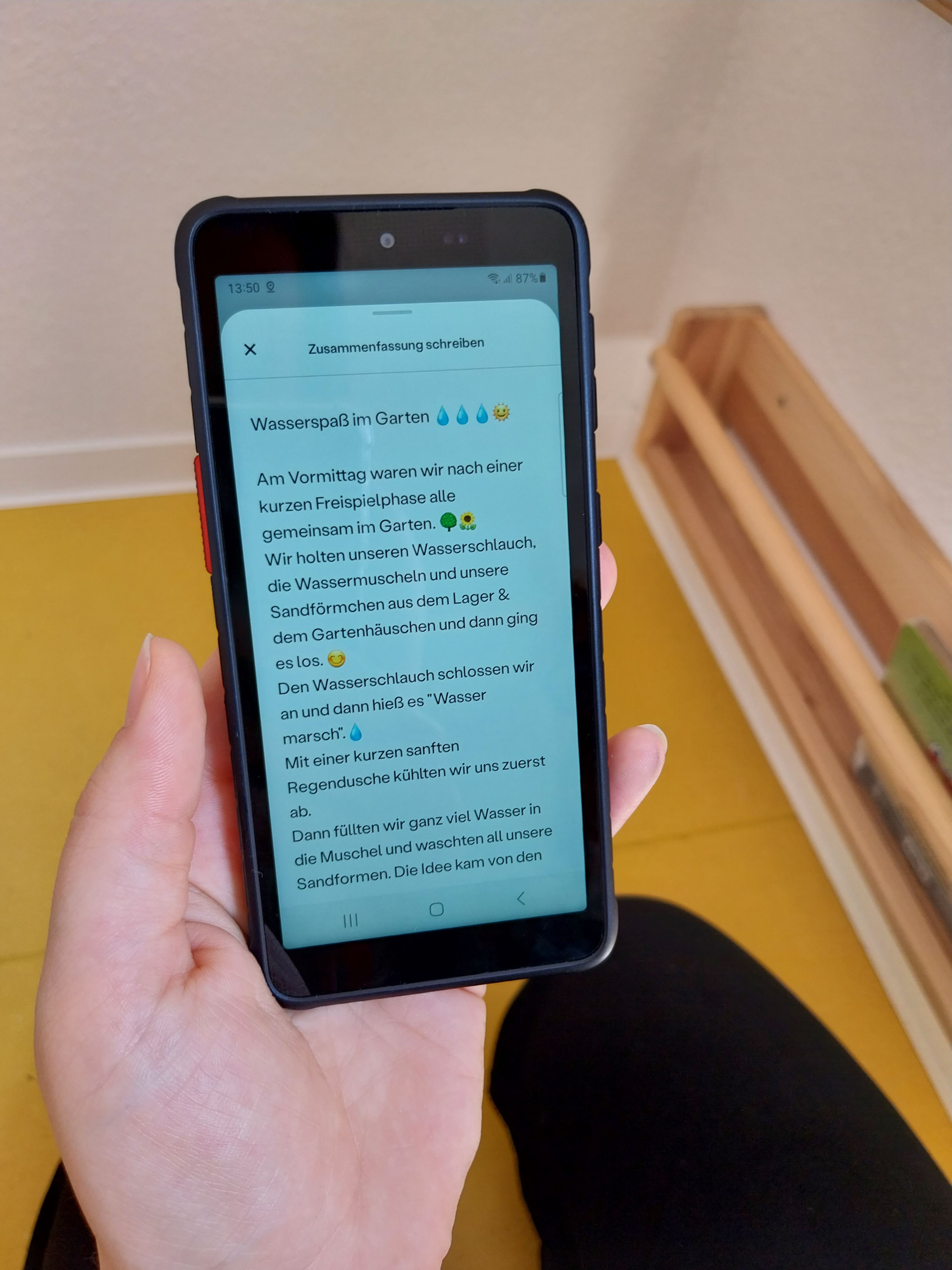
The very first kindergarten to use the daily summary MVP — a huge moment seeing it come to life outside of our workshops
Conclusion
This work didn’t just set the foundation for a product—it shaped the way we worked together. By starting with the people and their experiences, staying open to what we didn’t know, and turning complexity into clear, human stories, we made mountains of insight digestible for everyone in the organisation—not just the research team.
The value wasn’t in simply having the conversations (that’s a given), but in how we visualised and summarised what we heard. Journey maps, personas, blueprints, and future-state stories turned scattered findings into something people could see, remember, and use to make better decisions.
The insights and blueprints guided what we built, but more importantly, they shaped how we built it: collaboratively, across disciplines, and always grounded in real human needs. It created a culture of continuous discovery and shared ownership—something that can’t be faked.
We don’t take that for granted. Not every organisation opens the door this wide. Not every team is willing to share, reflect, and question things together. Dibber did—and that trust made the work not just possible, but deeply rewarding.
The value wasn’t in simply having the conversations (that’s a given), but in how we visualised and summarised what we heard. Journey maps, personas, blueprints, and future-state stories turned scattered findings into something people could see, remember, and use to make better decisions.
The insights and blueprints guided what we built, but more importantly, they shaped how we built it: collaboratively, across disciplines, and always grounded in real human needs. It created a culture of continuous discovery and shared ownership—something that can’t be faked.
We don’t take that for granted. Not every organisation opens the door this wide. Not every team is willing to share, reflect, and question things together. Dibber did—and that trust made the work not just possible, but deeply rewarding.
“
It created a culture of continuous discovery and shared ownership